
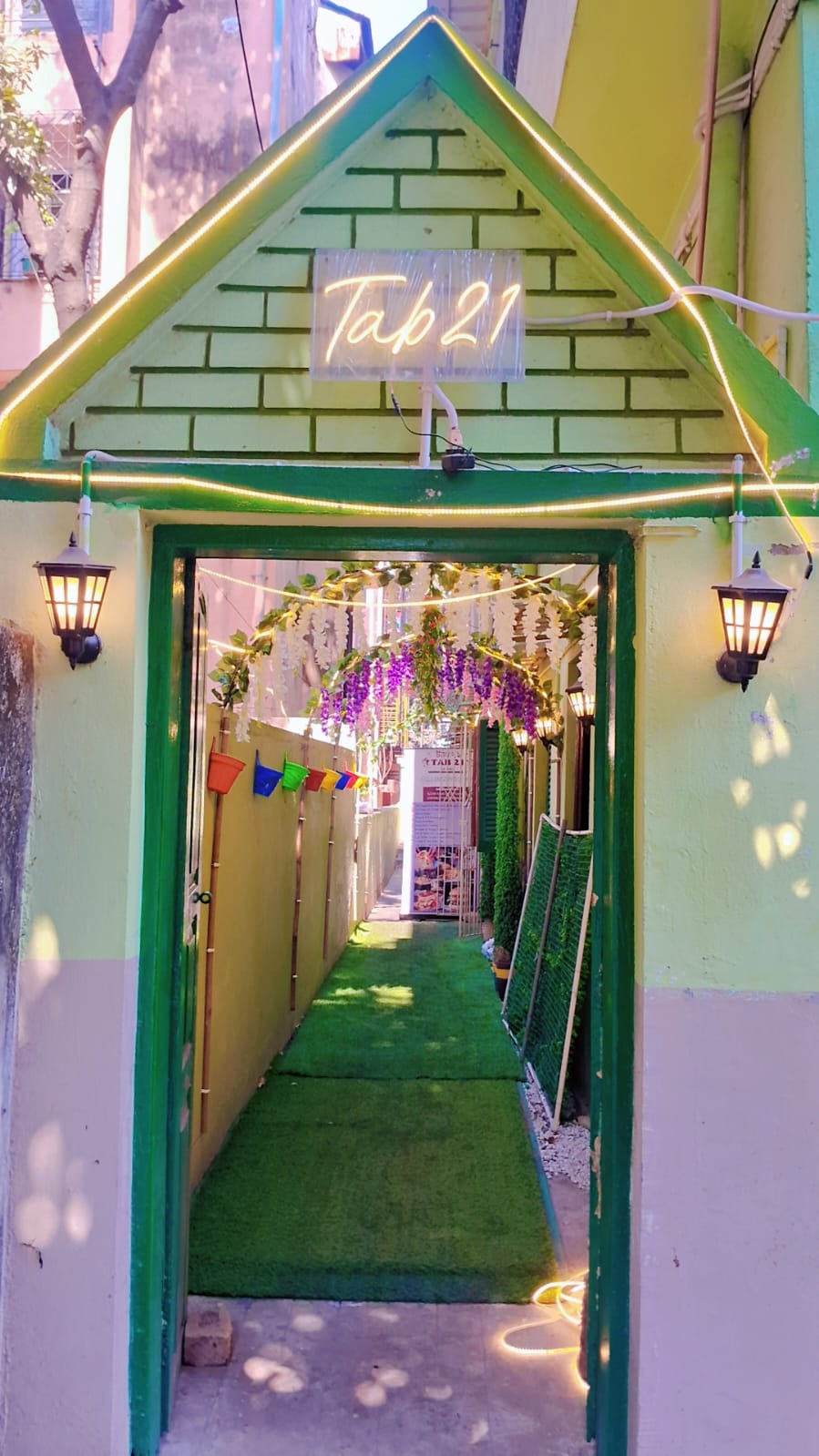
Ballygunge has always carried a quiet sophistication. Tree-lined avenues, heritage homes, and a steady hum of intellectual conversation shape its personality. Over the past decade, however, a different aroma has begun to define its streets—the complex, layered scent of freshly ground specialty coffee. Espresso machines now hiss alongside old bookstores, and conversations revolve as much around roast profiles as they do around politics or art.
Patrons no longer search merely for caffeine; they seek nuance. The phrase best cafe in Ballygunge Kolkata no longer signals plush seating alone. It signals precision brewing, traceable beans, balanced acidity, and thoughtful service. Specialty coffee culture has reframed expectations and turned casual drinkers into curious tasters.

From Commodity to Craft
Coffee once functioned as a simple beverage—dark, strong, and often over-extracted. Cafés focused on quantity and speed. Specialty coffee disrupted that pattern. Roasters began to highlight origin stories. Baristas adjusted grind sizes with meticulous care. Customers started to ask questions about altitude, varietals, and processing methods.
This shift did not occur by accident. A new generation of entrepreneurs valued craftsmanship over convenience. They treated coffee as an agricultural product rather than a mass-produced commodity. Farmers received attention, sourcing became transparent, and roasting turned into an art form grounded in science.
The Anatomy of Specialty Coffee
Specialty coffee demands precision at every stage. Professionals in Ballygunge increasingly adopt strict standards that elevate the beverage beyond routine consumption.
Key elements include:
Single-origin beans sourced from specific estates
Controlled roasting profiles to highlight flavor clarity
Fresh grinding before extraction
Measured brewing ratios for consistency
Skilled baristas trained in extraction science
Each variable influences taste. Slight shifts in temperature or grind size can alter acidity, sweetness, or bitterness. Specialty cafés embrace this complexity rather than shy away from it.
The Role of Micro-Roasteries
Small-batch roasting has become central to Ballygunge’s coffee transformation. Micro-roasters experiment with light and medium roasts that preserve bean character. Instead of masking flavor with excessive darkness, they celebrate natural sweetness and fruit-forward notes.
Roasting schedules often follow weekly cycles to ensure freshness. Professionals track bean density and moisture content. They maintain detailed roast logs to replicate successful batches. Such rigor has created a coffee scene that rivals established metropolitan hubs.
Café Design Reflects Intent
Specialty coffee culture reshapes physical spaces. Interiors favor minimalism, natural textures, and visible brewing equipment. Transparent counters allow customers to watch the brewing process. This visibility builds trust and sparks curiosity.
Design elements commonly include:
Exposed brick or muted walls
Wooden communal tables
Brew bars with manual drippers
Soft industrial lighting
Chalkboards listing origin details
The environment communicates authenticity and intention. Guests feel invited into the craft rather than kept at a distance.
The Rise of Manual Brewing Methods
Espresso still anchors most menus, yet manual brewing methods command growing attention. Pour-over stations, French presses, AeroPress setups, and siphon brewers have become fixtures in Ballygunge cafés.
Manual methods highlight delicate flavor notes and encourage slower consumption. Baristas often explain bloom phases, extraction times, and grind adjustments. This dialogue transforms a cup of coffee into an educational interaction.
Popular brewing methods include:
V60 pour-over for clarity and brightness
Chemex for clean, nuanced flavor
AeroPress for balanced body
Cold brew for smooth, low-acidity profiles
Siphon brewing for theatrical precision
Such variety empowers customers to choose based on preference rather than habit.
Consumer Awareness and Palate Development
As specialty coffee gained ground, customers began refining their palates. Tasting sessions and cupping events introduced participants to flavor descriptors like citrus, caramel, berry, and floral undertones.
People now differentiate between bitterness caused by over-extraction and natural dark chocolate notes. They compare Ethiopian beans with Indian estate varieties. This awareness elevates conversation and deepens appreciation.
Sustainability and Ethical Sourcing
Specialty coffee culture in Ballygunge also reflects ethical priorities. Roasters emphasize direct trade relationships and fair compensation for farmers. They reduce waste through reusable cups and sustainable packaging.
Environmental considerations include:
Composting coffee grounds
Encouraging reusable drinkware
Sourcing biodegradable takeaway materials
Supporting shade-grown cultivation
Consumers increasingly align purchases with values. Specialty cafés respond by integrating sustainability into operations.
Baristas as Coffee Ambassadors
Baristas no longer function merely as order-takers. They act as educators, technicians, and storytellers. Training programs focus on extraction theory, milk texturing, and sensory evaluation.
A skilled barista balances timing, temperature, and texture seamlessly. They calibrate espresso shots multiple times daily. They maintain equipment rigorously to preserve flavor integrity. Their expertise defines customer experience.
The Impact of Social Media
Visual storytelling has amplified Ballygunge’s coffee movement. Latte art patterns, minimalist interiors, and aesthetic brew bars populate social feeds. Photography captures crema textures and rising steam, turning coffee into visual culture.
Social media exposure drives curiosity and footfall. Customers share tasting notes and brewing experiments. Cafés respond by curating photogenic yet authentic spaces.
Community Building Through Coffee
Specialty cafés often function as gathering hubs. Writers, designers, entrepreneurs, and students converge in these spaces. Conversations spark collaborations. Independent creators host small events and discussions.
Coffee fosters connection without formality. It creates neutral ground where ideas flow as freely as espresso. Ballygunge’s intellectual heritage finds a modern expression in these venues.
Economic Influence on the Neighborhood
The rise of specialty coffee has influenced local real estate and retail patterns. High-quality cafés attract foot traffic, encouraging complementary businesses to open nearby. Bookstores, boutique clothing stores, and art studios often cluster around thriving coffee spots.
This synergy enhances neighborhood vibrancy. Increased activity supports employment and skill development within the hospitality sector.
Challenges in Maintaining Standards
Specialty coffee demands consistency. Fluctuating humidity affects bean storage. Equipment maintenance requires investment. Skilled labor needs training and retention strategies.
Operators must balance cost control with quality assurance. They must educate customers who may initially resist higher price points. Sustaining quality under pressure requires discipline and vision.
Innovation in Beverage Menus
While black coffee remains central, specialty cafés experiment creatively. They integrate house-made syrups, seasonal infusions, and alternative milk options. Innovation keeps menus dynamic without compromising core principles.
Emerging trends include:
Oat and almond milk alternatives
Jaggery-sweetened lattes
Citrus-infused cold brews
Spiced espresso tonics
Nitro cold brew on tap
These offerings expand flavor possibilities and appeal to diverse preferences.
The Influence of Indian Coffee Estates
Indian coffee estates contribute significantly to the specialty movement. Beans from regions such as Chikmagalur and Coorg offer distinctive profiles. Roasters in Ballygunge increasingly highlight domestic origins alongside international selections.
This shift nurtures local pride and reduces reliance on imports. It also encourages sustainable supply chains within the country.
Training and Skill Development
Professional workshops and certification programs have gained traction. Aspiring baristas invest in formal training to master extraction science and latte art. Café owners sponsor staff education to maintain competitive standards.
Skill development strengthens the ecosystem and ensures longevity for the specialty segment.
A Shift in Consumer Habits
Customers no longer rush through coffee breaks. They savor flavors and engage in conversations about bean origin. They request specific brew methods. They evaluate aroma before tasting.
This behavioral shift reflects cultural evolution. Coffee has moved from a background beverage to a focal point of social interaction.
Conclusion
Specialty coffee culture in Ballygunge continues to expand. New cafés emerge with refined concepts. Roasters experiment with fermentation techniques and innovative processing methods. Consumers embrace depth and diversity in flavor.
The neighborhood’s embrace of craft coffee signals more than a passing trend. It reflects a broader shift toward intentional consumption and sensory appreciation.
FAQs
1. What defines specialty coffee in Ballygunge?
Specialty coffee emphasizes high-quality beans, precise roasting, and skilled brewing. Cafés focus on origin transparency, ethical sourcing, and flavor clarity. Baristas calibrate equipment carefully to maintain consistent extraction and highlight nuanced taste profiles.
2. Why has specialty coffee gained popularity here?
Consumers seek richer experiences beyond basic caffeine intake. Increased awareness about sourcing, sustainability, and flavor complexity has encouraged demand. Social media exposure and growing urban sophistication have further fueled interest.
3. How do micro-roasters impact quality?
Micro-roasters control batch sizes and roasting curves meticulously. They adjust temperature and airflow to highlight bean characteristics. This precision ensures freshness and consistency, improving overall cup quality.
4. Are manual brewing methods better than espresso?
Manual methods emphasize clarity and subtle notes, while espresso delivers intensity and body. Both serve distinct preferences. Specialty cafés often provide multiple options to cater to varied tastes.
5. Does specialty coffee cost more?
Specialty coffee typically costs more due to premium sourcing, skilled labor, and quality equipment. Customers pay for traceability, freshness, and craftsmanship rather than mere volume.
6. What role does sustainability play?
Sustainability remains central to specialty coffee. Many cafés prioritize ethical sourcing, reduce waste, and adopt eco-friendly packaging. Responsible practices enhance brand trust and long-term viability.
7. How can consumers refine their palate?
Participating in tasting sessions and trying single-origin beans helps develop sensitivity to flavor notes. Comparing brewing methods also sharpens sensory awareness over time.
8. What skills define a great barista?
A skilled barista masters extraction timing, milk texturing, and equipment calibration. They maintain consistency while engaging customers with knowledge and professionalism.
9. Do Indian beans compete internationally?
Indian estates produce high-quality beans with distinctive flavor profiles. With careful roasting and processing, they stand confidently alongside global specialty selections.
10. Will specialty coffee continue to grow in Ballygunge?
Strong consumer interest, skilled professionals, and evolving café concepts indicate sustained growth. As awareness deepens, the specialty segment will likely expand further within the neighborhood.